Introduction: Debt Is Not a Life Sentence
Debt has a way of creeping into life quietly.
It starts with convenience—credit cards, loans, “buy now, pay later.” Then one unexpected event happens: a medical bill, job change, business slowdown, or simple overspending. Suddenly, debt stops being a tool and starts feeling like a trap.
Here’s the good news most people never hear clearly enough:
Debt is solvable.
You don’t need extreme frugality, financial genius, or overnight miracles. Getting out of debt is not about doing everything at once—it’s about doing the right things in the right order.
This article breaks down a 3-step formula to get out of debt that works for everyday people, professionals, business owners, and families alike. It’s simple, realistic, and built around long-term success—not quick fixes that collapse later.
Why Most People Stay in Debt Longer Than Necessary
Before we talk about solutions, let’s be honest about why debt sticks around.
People stay in debt because:
- They focus on symptoms, not systems
- They try to fix everything at once
- They rely on motivation instead of structure
- They underestimate interest and time
Debt is not just a money problem—it’s a behavior and system problem.
That’s why a clear formula matters.
The Power of a Simple Formula
Complex plans fail under stress.
Simple formulas:
- Reduce overwhelm
- Increase consistency
- Survive real life
This 3-step formula is designed to work even when motivation is low and life is messy.
Step 1: Gain Absolute Clarity and Stop the Financial Bleeding
You Cannot Escape a Maze You Haven’t Mapped
The first step to getting out of debt is not paying it off faster—it’s understanding it completely.
Most people avoid this step because it feels uncomfortable. But clarity is not the enemy. Confusion is.
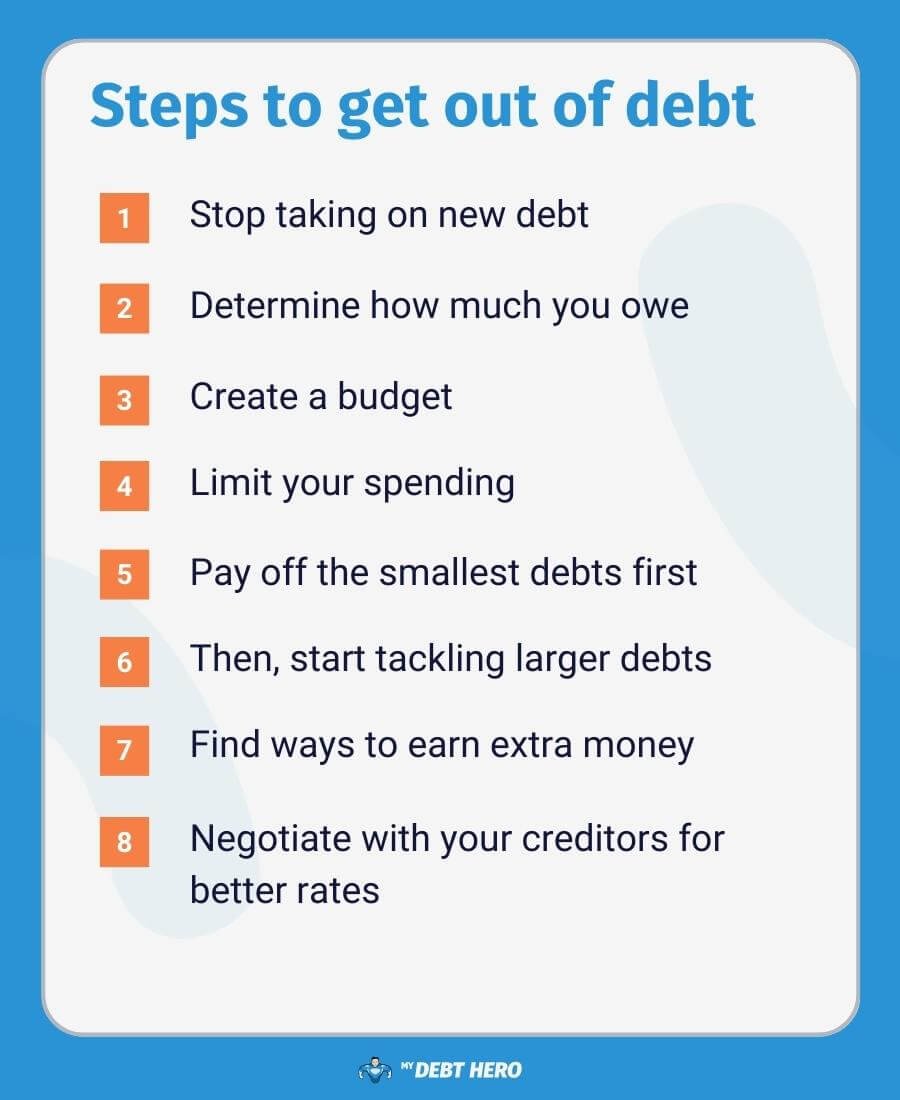
Step 1.1: List Every Single Debt (No Exceptions)
Write down:
- Credit cards
- Personal loans
- Auto loans
- Student loans
- Business debt
- Any money owed to anyone
For each debt, include:
- Total balance
- Interest rate
- Minimum payment
- Due date
This is not about judgment—it’s about awareness.
Why This Step Changes Everything
Debt feels heavier when it’s vague.
Once it’s written down:
- Fear turns into data
- Anxiety becomes measurable
- Control begins to return
Most people discover their situation is manageable—but ignored for too long.
Step 1.2: Understand Where Your Money Actually Goes
Next, track your spending honestly.
Break expenses into:
- Fixed (rent, utilities, insurance)
- Variable (food, transportation)
- Optional (subscriptions, entertainment)
You don’t need perfection—just truth.
Step 1.3: Stop Making the Problem Worse
Before paying extra toward debt, stop adding new debt.
That means:
- Pausing credit card use
- Avoiding impulse purchases
- Delaying non-essential upgrades
You can’t drain a bathtub while the faucet is still running.
The Psychological Shift of Step 1
This step creates a mindset shift:
“I’m not drowning. I’m managing.”
Clarity reduces panic—and calm people make better decisions.
Step 2: Create a Strategic, Sustainable Debt Attack Plan
Aggression Without Strategy Leads to Burnout
Once clarity is established, it’s time to move from awareness to action.
But not all action is equal.
Why Random Payments Don’t Work
Many people:
- Pay a little extra here
- Skip a month there
- Switch strategies constantly
This creates frustration without momentum.
A strategy creates predictable progress.
Step 2.1: Choose Your Debt Elimination Method
Two proven methods dominate debt payoff strategies:
The Snowball Method
- Pay off smallest balances first
- Builds motivation quickly
The Avalanche Method
- Pay off highest interest first
- Saves more money long-term
Both work. Choose the one you’ll stick with.
Consistency beats optimization.
Step 2.2: Free Up Cash Flow (Without Destroying Your Life)
You don’t need to live miserably to get out of debt.
Look for:
- Unused subscriptions
- Overpriced services
- Temporary lifestyle adjustments
The goal is margin, not punishment.
Even small savings redirected toward debt accelerate progress.
Step 2.3: Increase Income Strategically
Cutting expenses has limits. Income does not.
Ways to increase income:
- Side work
- Freelancing
- Skill-based services
- Temporary overtime
Even a few hundred dollars extra per month can change timelines dramatically.
Step 2.4: Automate Your Progress
Automation removes emotional friction.
Automate:
- Minimum payments
- Extra debt payments
- Bill reminders
When systems work quietly in the background, progress becomes inevitable.
The Importance of Momentum
Debt payoff success is emotional as much as mathematical.
Every balance eliminated:
- Increases confidence
- Frees mental space
- Builds belief
Momentum is fuel—protect it.
Step 3: Build a Financial Defense System to Stay Debt-Free
Getting Out of Debt Is Only Half the Battle
Many people get out of debt—then fall right back in.
Why?
Because they fix the problem but not the system.
Step 3.1: Build an Emergency Fund Immediately
Even while paying debt, you need protection.
Start with:
- $500
- Then $1,000
This buffer prevents:
- Credit card emergencies
- Panic borrowing
- Setbacks
Emergency funds stop debt from returning.
Step 3.2: Redesign How You Use Credit
Credit itself is not evil—misuse is.
Healthy credit habits include:
- Paying balances monthly
- Using credit intentionally
- Treating credit as a tool, not income
Debt freedom requires discipline—not fear.
Step 3.3: Shift From Reaction to Planning
Debt thrives in chaos.
Planning creates control:
- Monthly money reviews
- Expense forecasting
- Annual financial goals
When you plan, emergencies lose their power.
Step 3.4: Build Long-Term Financial Habits
Debt-free living is a habit, not a finish line.
Habits include:
- Living below means
- Tracking spending regularly
- Saving before spending
Small habits compound into stability.
The CEO Mindset: Run Your Finances Like a Business
Successful businesses:
- Track cash flow
- Control liabilities
- Maintain reserves
- Plan for downturns
You should do the same.
Think like a CEO—not a consumer.
Common Mistakes That Slow Debt Freedom
Avoid these traps:
- Trying to do everything at once
- Ignoring interest rates
- Relying on motivation alone
- Comparing your journey to others
Your path is your own.
What If Progress Feels Slow?
Slow progress is still progress.
Debt didn’t accumulate overnight—it won’t disappear overnight either.
The goal is direction, not speed.
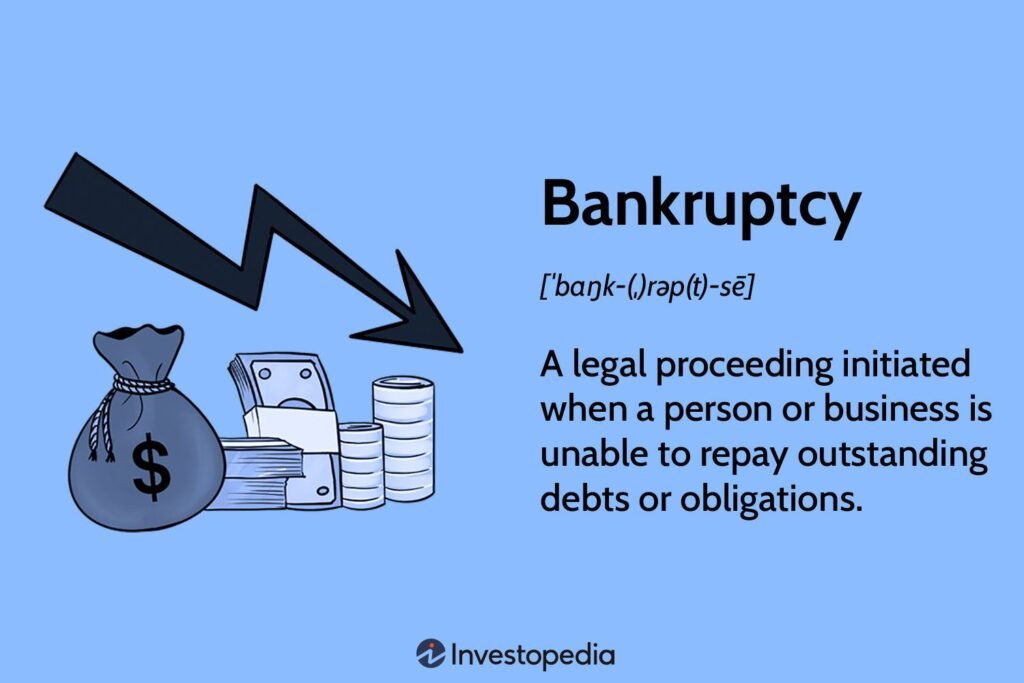
When Professional Help Makes Sense
Sometimes help accelerates progress:
- Credit counseling
- Debt management programs
- Financial coaching
Help is not failure—it’s leverage.
Life After Debt: What Changes?
People who get out of debt report:
- Reduced stress
- Better sleep
- Increased confidence
- Greater flexibility
Debt freedom is not just financial—it’s emotional.
Final Thoughts: Simple Steps, Life-Changing Results
Getting out of debt doesn’t require luck or perfection.
It requires:
- Clarity
- Strategy
- Protection
This 3-step formula works because it aligns behavior, systems, and mindset.
Debt is not who you are.
It’s just a chapter—and one you can close.
Start with step one.
Momentum will follow.
Word Count:
225
Summary:
Make a list of your credit card debts and other loans. Prioritize it according to the highest interest rate debt. Pay off highest interest rate credit card debt first. Start a frugal living.
Keywords:
Debt, Credit Card Debt, Personal Finance
Article Body:
1-Make List of Your Debts
First of all know how much deep you are in credit card debt. Many credit card holders are shocked when they know the total credit card debt to be paid. They unconsciously stay away from compiling this list. But you will have to know your total debts. List down lender name, date of debt, total amount to be paid and interest rate. Arrange list according to interest rate. Highest interest rate credit card debts should be shown first.
2-Pay Credit Card with Highest Interest Rate
Now start paying highest rate credit card first. Always pay more than minimum amount. If you are addicted to minimum payment traps then you will never be out of debt for whole of your life. Banks have arranged minimum debt trap in such way that a loan could take many years to be paid off if you are just paying in minimum amounts. Always pay more than minimum. These small extra payments will save you literally thousand dollars.
3-Start Frugal Living
For as long as you are in debt, start frugal living. Cut off your credit cards. Ask companies to not offer you more credit cards. Discard impulsive buying. Try to save every penny if possible. These few dollars added to minimum payment amounts will create a snow-ball effect towards your credit card debt payments.


Tinggalkan Balasan