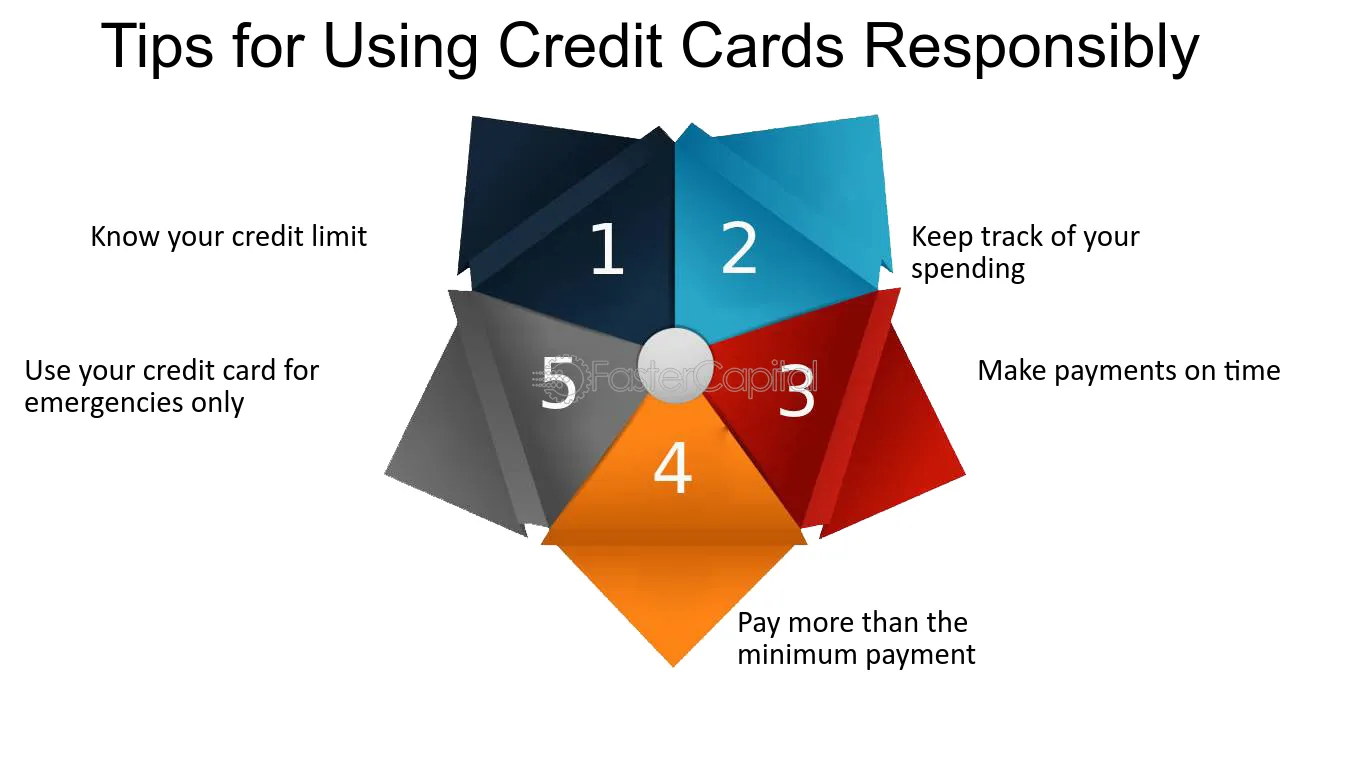
Introduction: Credit Card Debt Feels Heavy—But It’s Not Permanent
Credit card debt has a unique way of draining energy.
It’s not just about money. It’s the constant reminders—statements, minimum payments, interest charges that seem to undo all your effort. You pay every month, yet the balance barely moves. Over time, frustration turns into resignation, and many people quietly accept credit card debt as “normal.”
But here’s the truth:
Credit card debt is one of the easiest types of debt to eliminate—if you approach it the right way.
This article is not about extreme sacrifice or unrealistic promises. It’s about one easy, structured approach that simplifies the process, reduces stress, and actually works in real life.
“Easy” doesn’t mean instant.
Easy means clear, sustainable, and repeatable.
Why Credit Card Debt Is So Hard to Escape (At First)
Credit cards are designed for convenience, not clarity.
Common traps include:
- High interest rates
- Low minimum payments
- Multiple cards with different due dates
- Emotional spending
The system rewards short-term comfort while quietly increasing long-term cost.
To eliminate credit card debt, you need to stop playing the game the way it’s designed.
The Big Shift: From Random Payments to One Clear System
Most people try to eliminate credit card debt by:
- Paying a little extra when possible
- Jumping between cards
- Relying on motivation
This leads to inconsistency—and inconsistency keeps balances alive.
The easiest way to eliminate credit card debt is to use one simple system that removes confusion and builds momentum automatically.
The Easy Way: Simplify, Focus, and Accelerate
The easiest method is not about doing more—it’s about doing less, but smarter.
The process has three core principles:
- Simplify your debt
- Focus your money
- Accelerate progress with structure
Let’s break it down.
Step 1: Simplify Your Credit Card Situation
Complexity Is the Enemy of Progress
Multiple credit cards create mental clutter.
Different:
- Interest rates
- Due dates
- Minimum payments
This complexity makes it harder to stay consistent.
The first “easy” move is simplification.
Step 1.1: List Every Credit Card in One Place
Write down:
- Card name
- Balance
- Interest rate (APR)
- Minimum payment
- Due date
No judgment. No panic. Just clarity.
Most people already feel lighter after this step.
Step 1.2: Stop Using Credit Cards Temporarily
This is critical.
You don’t have to close your cards—but you do need to pause usage.
That means:
- Put cards away
- Remove them from online checkouts
- Avoid “emergency” swipes
You cannot eliminate debt while creating new debt.
This single step accelerates progress dramatically.
Step 1.3: Automate Minimum Payments
Missed payments:
- Damage credit
- Add fees
- Increase stress
Automation protects you from mistakes.
Set automatic minimum payments on every card. This creates a safety net while you focus on elimination.
Step 2: Focus All Extra Money on One Card
Scattered Effort Creates Slow Results
Here’s where most people overcomplicate things.
Instead of attacking all cards at once, focus on one card only.
This is what makes the method feel easy.
Step 2.1: Choose Your Target Card
You have two solid options:
Option A: Smallest Balance First (Snowball)
- Faster emotional wins
- Strong motivation boost
Option B: Highest Interest First (Avalanche)
- Saves more money over time
- Faster mathematically
Both work. The best choice is the one you won’t abandon.
Step 2.2: Redirect All Extra Money to That One Card
Pay:
- Minimums on all other cards
- Every extra dollar on the target card
This focus creates visible progress.
Progress creates belief.
Belief creates consistency.
Why This Feels Easier Than Other Methods
Because:
- You track one number
- You see faster results
- You avoid decision fatigue
One target. One mission.
Step 2.3: Celebrate Every Paid-Off Card
When a card reaches zero:
- Don’t close it immediately
- Celebrate the win
- Roll the payment into the next card
This creates a snowball effect where payments grow larger without increasing income.
Step 3: Accelerate Progress Without Stress
Easy Does Not Mean Passive
Once focus is established, acceleration becomes natural—not painful.
Step 3.1: Free Up Hidden Money
You don’t need extreme cuts.
Look for:
- Unused subscriptions
- Overpriced phone plans
- Convenience spending
Redirecting even $100–$300 per month can cut years off repayment.

Step 3.2: Increase Income Temporarily
Short-term income boosts make long-term debt disappear.
Options include:
- Freelance work
- Overtime
- Selling unused items
- Skill-based side work
Temporary effort leads to permanent relief.
Step 3.3: Use Windfalls Strategically
Tax refunds, bonuses, gifts—these are opportunities.
Instead of lifestyle upgrades, use windfalls to:
- Eliminate entire balances
- Destroy high-interest cards
One smart decision can change everything.
The Psychology Behind Why This Works
This method works because it:
- Reduces overwhelm
- Builds momentum
- Creates visible progress
Debt is emotional.
Progress heals emotions.
What About Balance Transfers or Consolidation?
These tools can help—but only with discipline.
They work best when:
- Spending is controlled
- Payments are automated
- Old cards are not reused
Without behavior change, consolidation just reshuffles debt.
Common Mistakes That Keep Credit Card Debt Alive
Avoid these traps:
- Paying only minimums
- Using cards “just this once”
- Jumping between strategies
- Waiting for motivation
Systems beat motivation every time.
The CEO Mindset: Treat Debt Like a Business Problem
Businesses eliminate high-interest liabilities aggressively.
They:
- Focus cash flow
- Reduce risk
- Protect margins
You should treat credit card debt the same way.
You are not “bad with money.”
You are optimizing cash flow.
How Long Does It Really Take?
That depends on:
- Balance size
- Interest rates
- Consistency
But most people see real momentum within 60–90 days.
Momentum changes everything.
Life After Credit Card Debt
People who eliminate credit card debt report:
- Less stress
- Better sleep
- More confidence
- More financial flexibility
Debt freedom doesn’t just improve finances—it improves decision-making.
Staying Debt-Free After Payoff
Elimination is not the finish line.
To stay debt-free:
- Build an emergency fund
- Use credit intentionally
- Review finances monthly
Freedom requires maintenance.
Final Thoughts: Easy Doesn’t Mean Weak—It Means Smart
Eliminating credit card debt doesn’t require pain, guilt, or perfection.
It requires:
- Simplification
- Focus
- Consistency
The easiest way is the one you actually follow.
Start small.
Stay focused.
Let momentum do the heavy lifting.
Credit card debt is not permanent.
But the relief of eliminating it can be.
Word Count:
653
Summary:
There are millions of Americans out there who have paid off heavy credit card debt, and you may be one of them. To get rid of credit card debt, it won’t be enough, however, to just make minimum monthly payments. Do you know that you just need to do a little more than just paying the minimum monthly payments; you can save thousand of interests and shorten many in years in settling your credit card debt.
Keywords:
credit card debt, debt relief, debt settlement, credit card, get rid of debt, debt free, debt
Article Body:
There are millions of Americans out there who have paid off heavy credit card debt, and you may be one of them. To get rid of credit card debt, it won’t be enough, however, to just make minimum monthly payments. In fact, you just need to do a little more than just paying the minimum monthly payments; you can save thousand of interests and shorten many years in settling your credit card debt. To give you a better picture how it work, let use a case study to elaborate the solution.
Case Study:
A friend of mine asked me to take a look at her monthly credit card statement; according to her, she has stopped using this credit card and try to pay it off, but feels like she isn’t getting anywhere.
The credit card statement record shows her balance is $5218.00 and she is paying 18% of interest; and she is paying the minimum payment at 3.5% or $10 whichever is higher. Like many who confuse with financial matters, she thinks that as long as she stops using the card and by just paying the minimum of monthly balance, her credit card debt will be cleared soon.
The Calculation Result:
If she has stopped using this credit card, and if she continues to make the minimum required monthly payment, as she has been, based on the way her bank calculates her minimum required monthly payment.
It will take her 181 months to pay off her current credit card balance of $5,218.00 and she will pay a total of $3762.35 in interest.
In other words, if she continues doing what she has been doing. It will take her 15 years and cost her $8980.35 to pay off her $5218.00 credit card balance. No wonder she feels like she is not getting anywhere.
So, what should she do?
Actually, it quit simple, if she able to pay the minimum payment of $5,218.00, which is $181.37, which means this is her affordable amount. Instead of paying the minimum payment as defined by the credit card company, she continues to pay $181.37 from now on.
As the result, she will pay off this credit card in 43 months instead of 181 months and she will pay $1635.45 in interest instead of $3762.35 in interest, saving $2126.90 in interest charges. See the different?
What she can more?
If she really wants to go for it, she could increase the amount of her “new” self-imposed minimum required monthly payment. For example, if she were to start paying an additional $18.63 a month for a total of $200.00 a month.
She will pay off this credit card in 34 months instead of 181 months and she will pay $1428.30 in interest instead of $3762.35 in interest, saving $2334.05 in interest charges.
If she were to start paying an additional $68.63 a month for a total of $250.00 a month, she will pay off this credit card in 26 months instead of 181 months and she will pay $1071.09 in interest instead of $3762.35 in interest, saving $2691.26 in interest charges.
If she really wants to eliminate her credit card debt as soon as possible and her financial is able to support it, she could double the amount of her “new” self-imposed minimum required monthly payment. If she were to start paying $362.74 a month instead of $181.37 a month, she could pay off her credit card balance in 17 months.
In Summary
There are a number of things she could do, but this is one of the simplest and it’s something she can start doing right now to begin eliminating her credit card debt. You can do the same to start eliminate your credit card debt.
If all you do is stop charging on your credit card and continue making the same minimum required monthly payment you will be making on your credit card this month, every month from now on, you will make significant progress towards totally eliminating your credit card debt once and for all.


Tinggalkan Balasan